KEPO 4D Exciter II ist ein sitzintegriertes haptisches Feedbacksystem für intelligente Cockpit- und Automobilsitzanwendungen. Es nutzt Vibrationseinheiten, die in die Sitzstruktur integriert sind, und softwaredefinierte haptische Muster, um den Insassen ein Gefühl für das ausgewählte Fahrzeug zu vermitteln, Unterhaltung, Komfort, und sicherheitsrelevante Informationen über den Sitz.
Für OEMs, Stufe 1 Sitzlieferanten, und Entwickler von Smart-Cockpit-Systemen, KEPO 4D Exciter II bietet eine flexible Möglichkeit, dem Fahrzeuginnenraum taktiles Feedback zu verleihen. Die gleiche Sitzhaptikplattform kann das Feedback zum Musikrhythmus unterstützen, Feedback zu Sicherheitswarnungen, Mehrzonen-Massagekomfort, und Spiel- oder Unterhaltungsinteraktion, je nach Fahrzeugprogramm und Integrationsanforderungen.
In diesem Artikel wird erklärt, was KEPO 4D Exciter II ist, wie das haptische Feedback des Sitzes in einem smarten Cockpit genutzt werden kann, und welche Anwendungsszenarien es unterstützen kann.
Was ist KEPO 4D Exciter II??
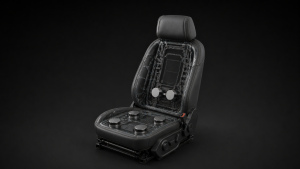
KEPO 4D Exciter II ist eine haptische Feedback-Lösung für Autositze. Es integriert Vibrationseinheiten in ausgewählte Sitzbereiche, wie zum Beispiel die Rückenlehne, Sitzkissen, oder Beinstützbereich, und nutzt kontrollierte Vibrationsmuster, um taktiles Feedback zu erzeugen.
Im Gegensatz zu einem Einzweck-Vibrationsgerät, KEPO 4D Exciter II ist als softwaredefinierte haptische Plattform konzipiert. Für unterschiedliche Cockpitfunktionen können unterschiedliche Feedbackmuster entwickelt werden, inklusive Unterhaltung, Warnmeldungen, Massagekomfort, und Passagierinteraktion.
In einem smarten Cockpit, Der Sitz ist nicht mehr nur ein Stütz- und Komfortelement. Es kann auch zu einer Mensch-Maschine-Schnittstelle werden, die mit Audio zusammenarbeitet, Beleuchtung, zeigt an, und Fahrzeugsteuerungssysteme.
Welche Probleme können durch haptisches Feedback gelöst werden??
Fahrzeuginnenräume werden digitaler, Aber Fahrer und Passagiere können sich bei jeder Interaktion nicht nur auf Bildschirme und Lautsprecher verlassen. Visuelle Kanäle können überlastet sein, und akustische Warnungen können mit Musik konkurrieren, Navigation, Sprachansagen, und Straßenlärm.
Das haptische Feedback des Sitzes fügt einen weiteren Kommunikationskanal hinzu. Denn das Signal wird direkt durch den Körper gespürt, Es kann eine intuitive Interaktion unterstützen, ohne dass dem Armaturenbrett oder dem Mitteldisplay weitere visuelle Informationen hinzugefügt werden müssen.
Hauptanwendungen des KEPO 4D Exciter II
1. Musik-Rhythmus-Feedback
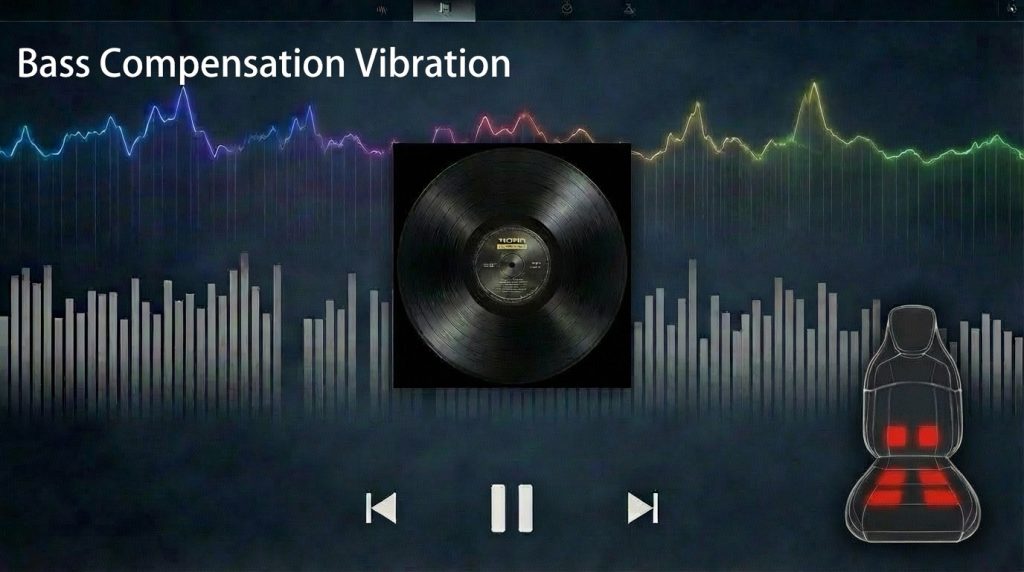
KEPO 4D Exciter II kann mit dem fahrzeuginternen Audiosystem zusammenarbeiten, um den Rhythmus umzuwandeln, Bass, und ausgewählte niederfrequente Soundeffekte in Sitzvibrationen umwandeln.
Wenn sich die Musikintensität ändert, Der Sitz kann eine synchronisierte taktile Rückmeldung geben. Passagiere hören nicht nur den Takt; Sie können es auch durch den Sitz spüren.
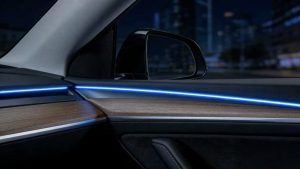
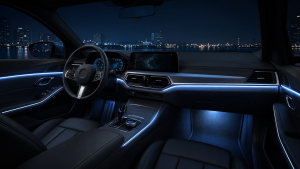
Das System kann auch mit Ambientebeleuchtung kombiniert werden. Wenn die Kabinenbeleuchtung auf den Musikrhythmus reagiert, Farbthema, oder Fahratmosphäre, Die Sitzvibration fügt eine weitere sensorische Ebene hinzu. Klang, Licht, und haptisches Feedback können zusammenarbeiten, um ein noch intensiveres Erlebnis in der Kabine zu schaffen.
Für OEMs und Cockpit-Experience-Teams, Musik-Rhythmus-Feedback kann dazu beitragen, Audio-Unterhaltung zu einem multisensorischen Sitzerlebnis zu machen.
2. Feedback zur Sicherheitswarnung
Das haptische Feedback des Sitzes kann als zusätzlicher Sicherheitsalarmkanal genutzt werden. Es ersetzt nicht die visuelle Warnung, akustische Warnungen, oder die vorhandenen Sicherheitssysteme des Fahrzeugs. Stattdessen, Es bietet dem Fahrer eine weitere Möglichkeit, ausgewählte Warninformationen wahrzunehmen.
In komplexen Fahrumgebungen, Die visuelle und auditive Aufmerksamkeit des Fahrers ist möglicherweise bereits auf die Straße gerichtet, Spiegel, Kombiinstrument, Navigationssystem, Sprachansagen, und umgebende Lärm. Eine deutliche Vibration durch den Sitz kann dazu beitragen, eine Warnung zu übermitteln, ohne dass der Fahrer den Blick von der Straße abwenden muss.
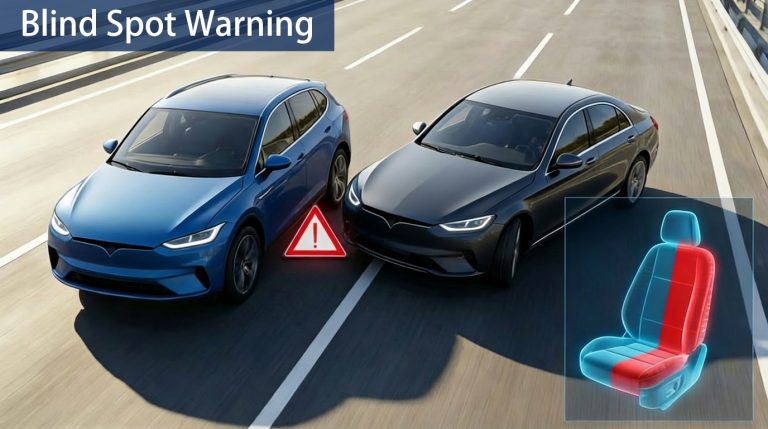
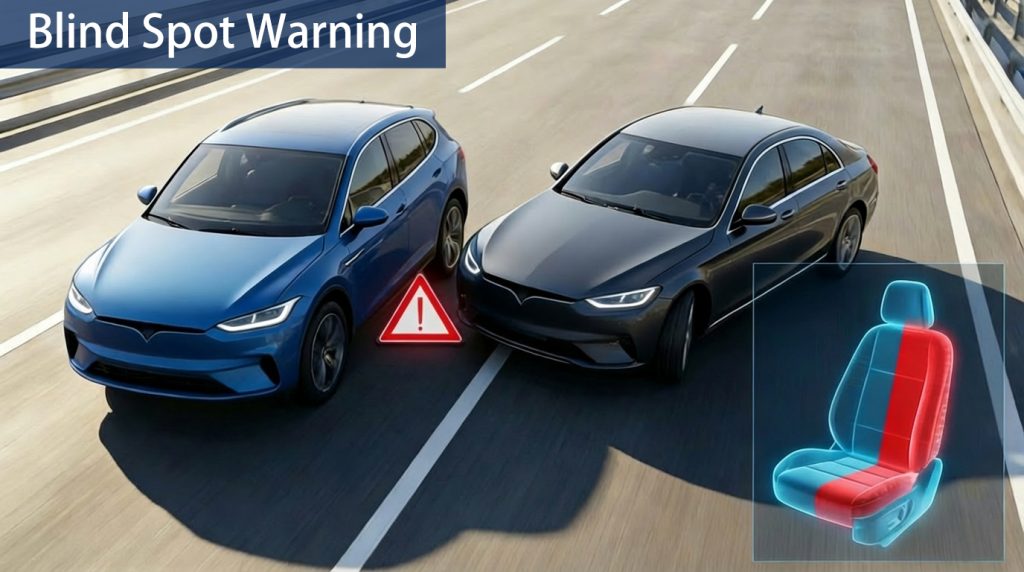
KEPO 4D Exciter II kann unterscheidbare haptische Muster für Szenarien wie die Warnung vor toten Winkeln unterstützen, Fahrerüberwachungswarnungen, und Abstandswarnungen.
Warnung vor toten Winkeln
In einer BSW (Warnung vor toten Winkeln) Szenario, wenn der Fahrer den Blinker betätigt oder einen Spurwechsel vorbereitet, Das Fahrzeug erkennt möglicherweise ein anderes Fahrzeug im toten Winkel links hinten oder rechts hinten.
Der Sitz kann auf der entsprechenden Seite gerichtete Vibrationen erzeugen. Dies hilft dem Fahrer, sowohl die Warnung als auch deren Richtung zu spüren, Hinzufügen einer taktilen Ebene zur Unterstützung bei der Spurwechselentscheidung.
Fahrerüberwachungswarnungen
Wenn ein DMS (Fahrerüberwachungssystem) erkennt Müdigkeit, Ablenkung, oder verminderte Aufmerksamkeit, Der Sitz kann eine erkennbare taktile Erinnerung liefern. Dies hilft dem Fahrer, sich neu zu konzentrieren oder entsprechende Maßnahmen zu ergreifen.
Abstandswarnungen
Wenn das Fahrzeugsicherheitssystem erkennt, dass der Abstand zum vorausfahrenden Fahrzeug zu gering ist, Der Sitz kann ein kurzes und deutliches Vibrationsmuster erzeugen. Dies kann dem Fahrer helfen, das Risiko zu erkennen und den Folgeabstand rechtzeitig anzupassen.
3. Mehrzonen-Massagekomfort
KEPO 4D Exciter II kann auch Sitzkomfortfunktionen unterstützen.
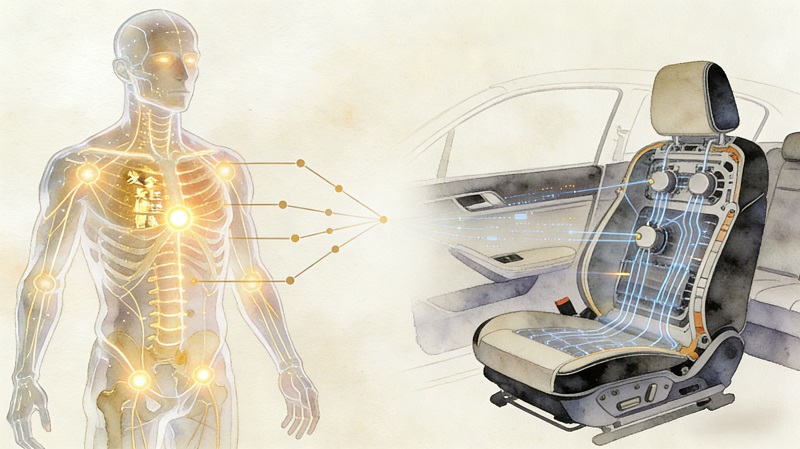
Durch die Anordnung von Vibrationseinheiten in verschiedenen Sitzbereichen, Das System kann eine haptische Ausgabe über mehrere Körperzonen hinweg bereitstellen. Die Rückenlehne kann eine Rückmeldung des Oberkörpers geben, Das Sitzkissen kann den rhythmischen Komfort auf langen Fahrten unterstützen, und der Beinstützbereich kann den Komfort auf dem Rücksitz in Premium- oder Executive-Sitzanwendungen verbessern.
Durch Softwaresteuerung, Vibrationszonen, Intensitäten, und Rhythmusmuster können zu verschiedenen Massagemodi kombiniert werden. Diese Modi können für die tägliche Entspannung angepasst werden, Fernreisen, und Komfortszenarien auf den Rücksitzen.
Für Fahrzeugprogramme, die sowohl Komfort als auch intelligente Interaktion erfordern, Eine softwaredefinierte Sitzhaptikplattform kann dabei helfen, mehrere Benutzererlebnisse durch eine gemeinsame Hardwarebasis zu unterstützen.
4. Feedback zu Spielen und Unterhaltung
Während sich die Unterhaltung im Fahrzeug weiterentwickelt, Gaming und interaktive Medien werden Teil des Parkens, Passagier, und Unterhaltungsszenarien auf den Rücksitzen.
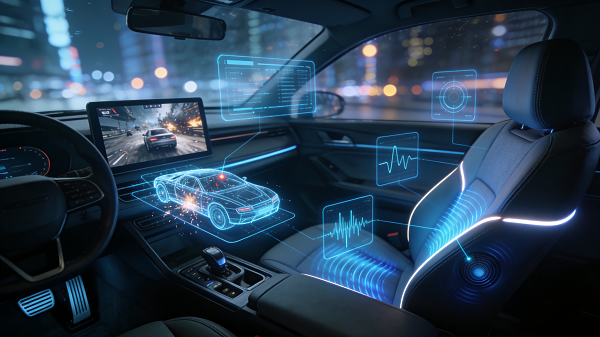
KEPO 4D Exciter II kann ausgewählte Spielereignisse in physisches Sitz-Feedback umwandeln. In einem Rennspiel, Beschleunigung, Straßentextur, driften, Kollision, und niederfrequente Motoreffekte können durch unterschiedliche Vibrationsmuster dargestellt werden. In Aktion, Abenteuer, oder rhythmusbasierte Erfahrungen, Aufprall und Bewegung können auch durch haptisches Feedback reflektiert werden.
Passagiere können sehen, hören, und gleichzeitig wichtige Ereignisse spüren. Dies verleiht der Unterhaltung im Fahrzeug eine taktile Dimension und trägt dazu bei, das Smart-Cockpit-Erlebnis interaktiver zu gestalten.
Integration und Anpassung für Fahrzeugprogramme
KEPO 4D Exciter II ist für die sitzintegrierte Entwicklung haptischer Rückmeldungen gedacht. Das endgültige Layout und die Feedbacklogik hängen vom Sitzdesign ab, Fahrzeugplattform, Zielbenutzererfahrung, und Systemintegrationsanforderungen.
Typische Integrationsthemen können sein::
- Anordnung der Sitzzonen, wie z.B. Rückenlehne, Kissen, und Beinstützbereiche
- Haptisches Musterdesign für Unterhaltung, Komfort, Warnung, oder Passagierinteraktion
- Koordination mit Audio, Umgebungsbeleuchtung, Fahrerüberwachung, und andere intelligente Cockpitsysteme
- Kundenspezifische Entwicklung für unterschiedliche Fahrzeugprogramme und Anforderungen an das Markenerlebnis
- Öffentliche Anspruchsgrenzen für Spezifikationen, Testen, Zertifizierungen, oder Projektreferenzen
Denn jedes Fahrzeugprogramm hat eine andere Struktur, Kontrolle, und Benutzererfahrungsanforderungen, KEPO empfiehlt, Anwendungsziele und Integrationsbedingungen zu besprechen, bevor die endgültige haptische Lösung definiert wird.
Warum das haptische Feedback des Sitzes in intelligenten Cockpits wichtig ist
Die intelligente Interaktion im Cockpit geht über Bildschirme und Lautsprecher hinaus. Da Fahrzeuge mehr digitale Funktionen hinzufügen, Die Bewohner benötigen intuitive Interaktionsmethoden, komfortabel, und leicht zu verstehen.
Das haptische Feedback des Sitzes bietet dem Fahrzeug eine weitere Möglichkeit zur Kommunikation. Es kann die Unterhaltung noch intensiver machen, Komfortfunktionen flexibler, und ausgewählte Warnungen direkter.
Für Entwickler von Fahrzeuginnenraumsystemen, Dies macht den Sitz zu einem wichtigen Interaktionspunkt. KEPO 4D Exciter II trägt dazu bei, den Sitz von einer passiven Komfortkomponente zu einer softwaredefinierten haptischen Schnittstelle für intelligente Fahrzeuge zu erweitern.
Besprechen Sie ein Seat Haptic Feedback-Projekt mit KEPO
Wenn Sie ein intelligentes Cockpit entwickeln, Autositz, oder multisensorisches Innenraumerlebnis, KEPO kann Diskussionen rund um die 4D Exciter II-Integration unterstützen, haptische Feedback-Anwendungen, und maßgeschneiderte Entwicklungslösungen.
Kontaktieren Sie uns unter [email protected] um Ihre Projektanforderungen zu besprechen, Musterbedarf, oder technischer Entwicklungsplan.