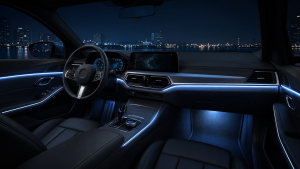
Inside a car, you can often observe different qualities of light: some rays are sharp and clear, others soft and even, and some seem to emanate from within the vehicle itself. The reason behind this lies in the different lighting methods of ambient lighting—direct, indirect (reflective), and transmitted lighting.
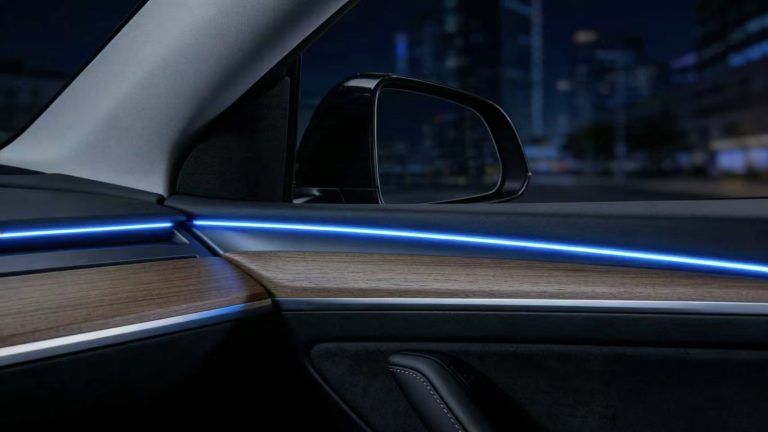
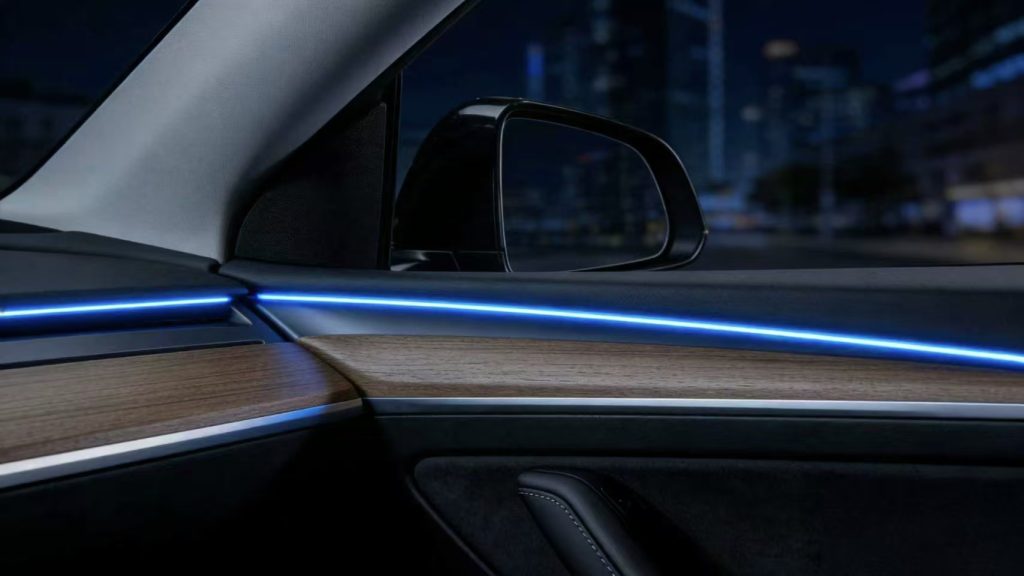
Direct Lighting — Light is guided through light guide materials and scattered via surface diffusion dots or microstructures to emit illumination. Direct ambient lighting is characterized by its straightforwardness, high brightness, and vibrant colors. However, controlling the uniformity of the light guide is crucial to avoid issues like “bright at the head, dark at the tail.”
Indirect (Reflective) Lighting — Light is directed onto a reflective surface, where it undergoes diffuse reflection to indirectly and evenly illuminate the target area. Indirect lighting offers soft, uniform illumination without glare, creating an indirect lighting effect. It places higher demands on the surface material of the reflective area.
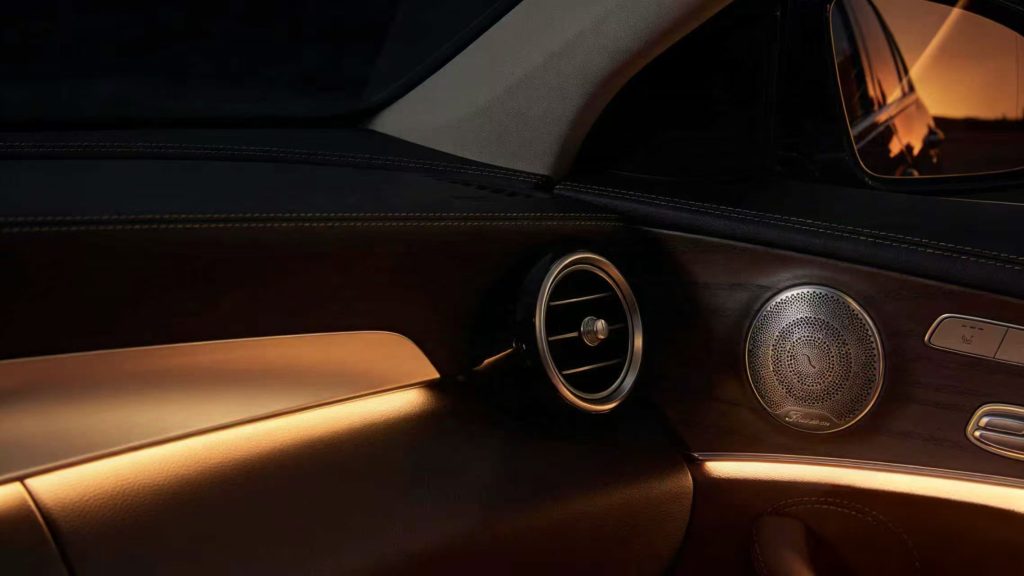
Transmitted Lighting — Light shines from behind a translucent film, passing only through precisely designed micro-perforations or patterns. Transmitted ambient lighting enables accurate patterned or branded displays with strong visual impact. It requires high-quality translucent materials to ensure sufficient clarity.
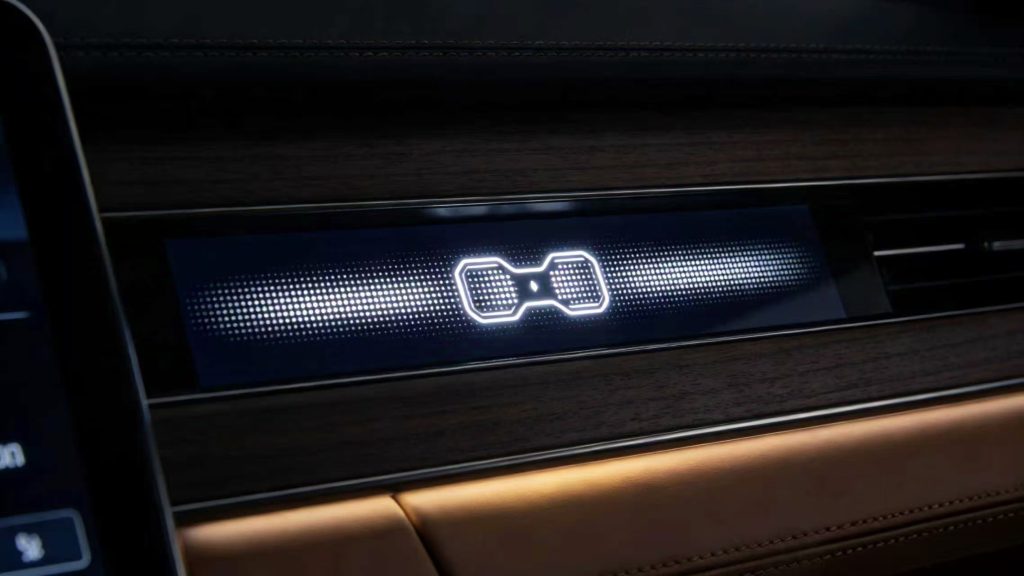
In Kepo’s automotive ambient lighting solution, we employ direct light guides to outline sharp, technological lines on dashboard trim; utilize reflective lighting to create an even, soft, and immersive glow on the ceiling; and leverage transmissive technology to achieve precise brand pattern displays on specific interior components.
It is precisely through this flexible application of multiple lighting methods that Kepo elevates ambient lighting from a basic function to a crucial tool for shaping a unique brand identity, ultimately crafting a harmonious, premium, and expressive overall cabin light environment for our clients.